About the HR Leadership Forum
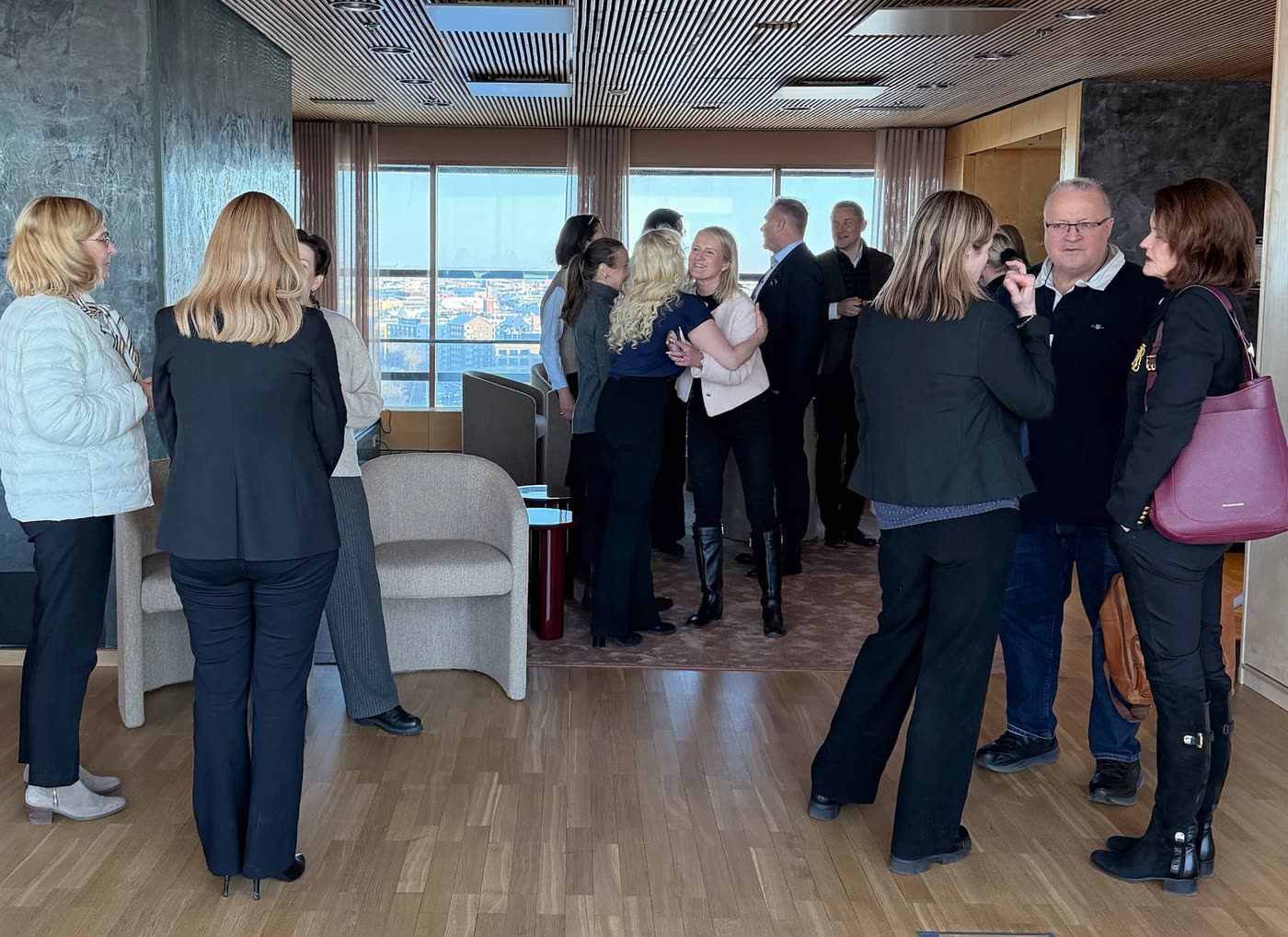
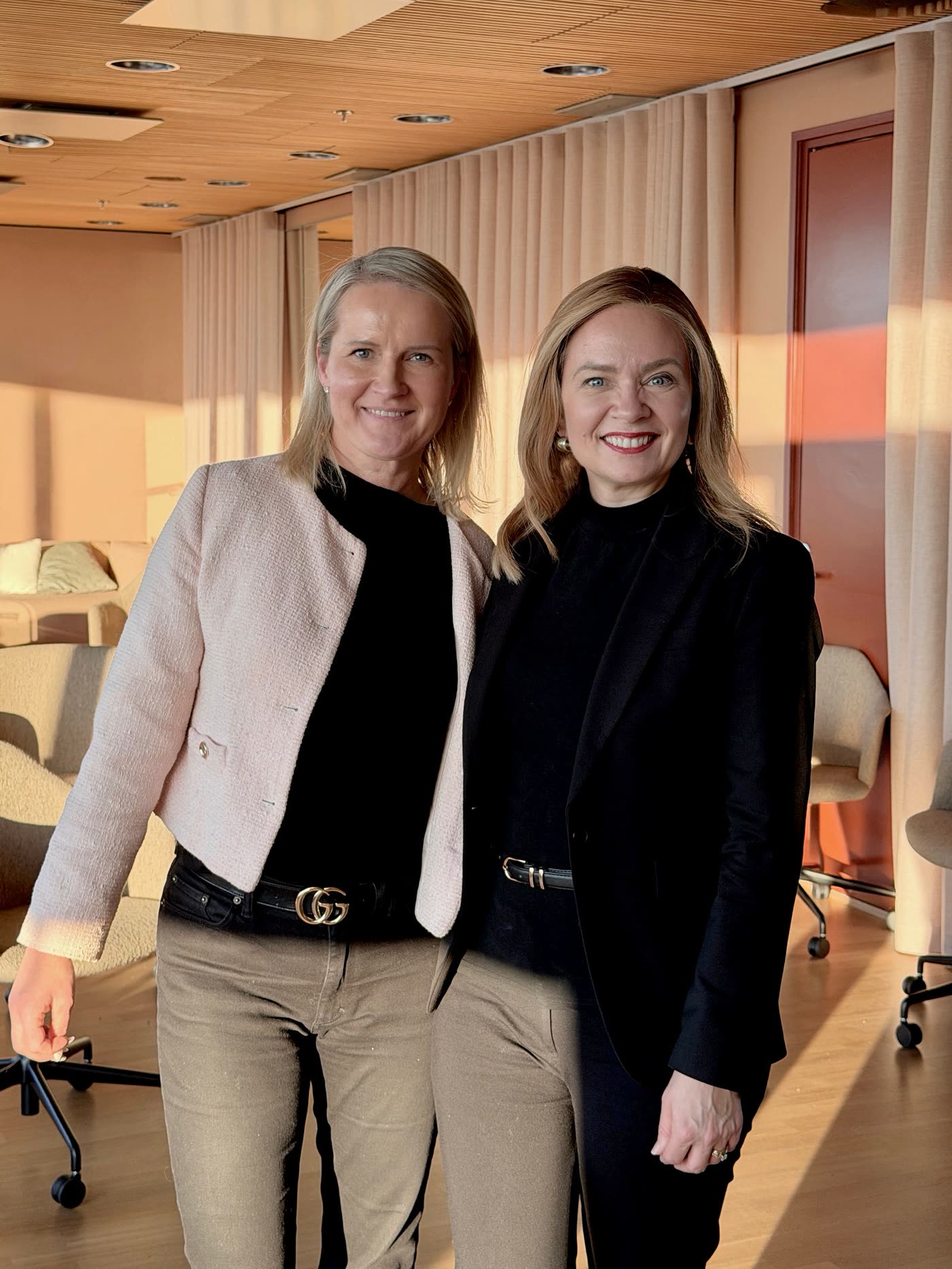
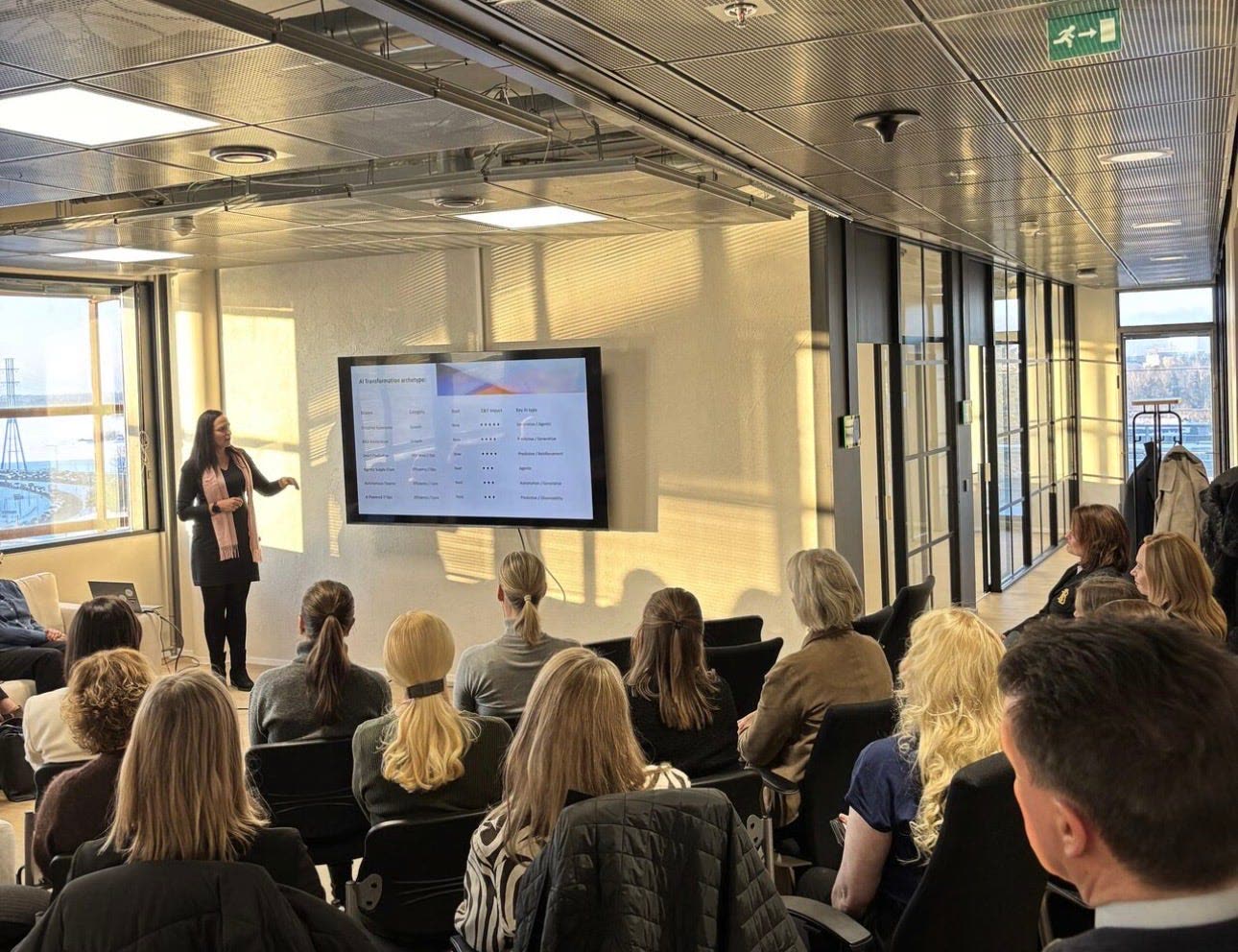
The HR Leadership Forum brought together Finland’s senior HR decision-makers to explore global leadership trends and the impact of AI on organizations. The event was hosted by Equita Talent Partners under the leadership of Nea Seppäläinen-Ahlbom, with speakers Tarja Stephens, Intiqe & Leaders of the Future, and Taru Salo, Siili.
The session examined how AI is reshaping workforce architecture, while positioning trust and Nordic leadership as strategic advantages in a period of rapid technological change. Key themes included the evolving role of leaders in orchestrating human and digital teams, and the expanding role of HR as a strategic workforce architect in the era of agentic AI.
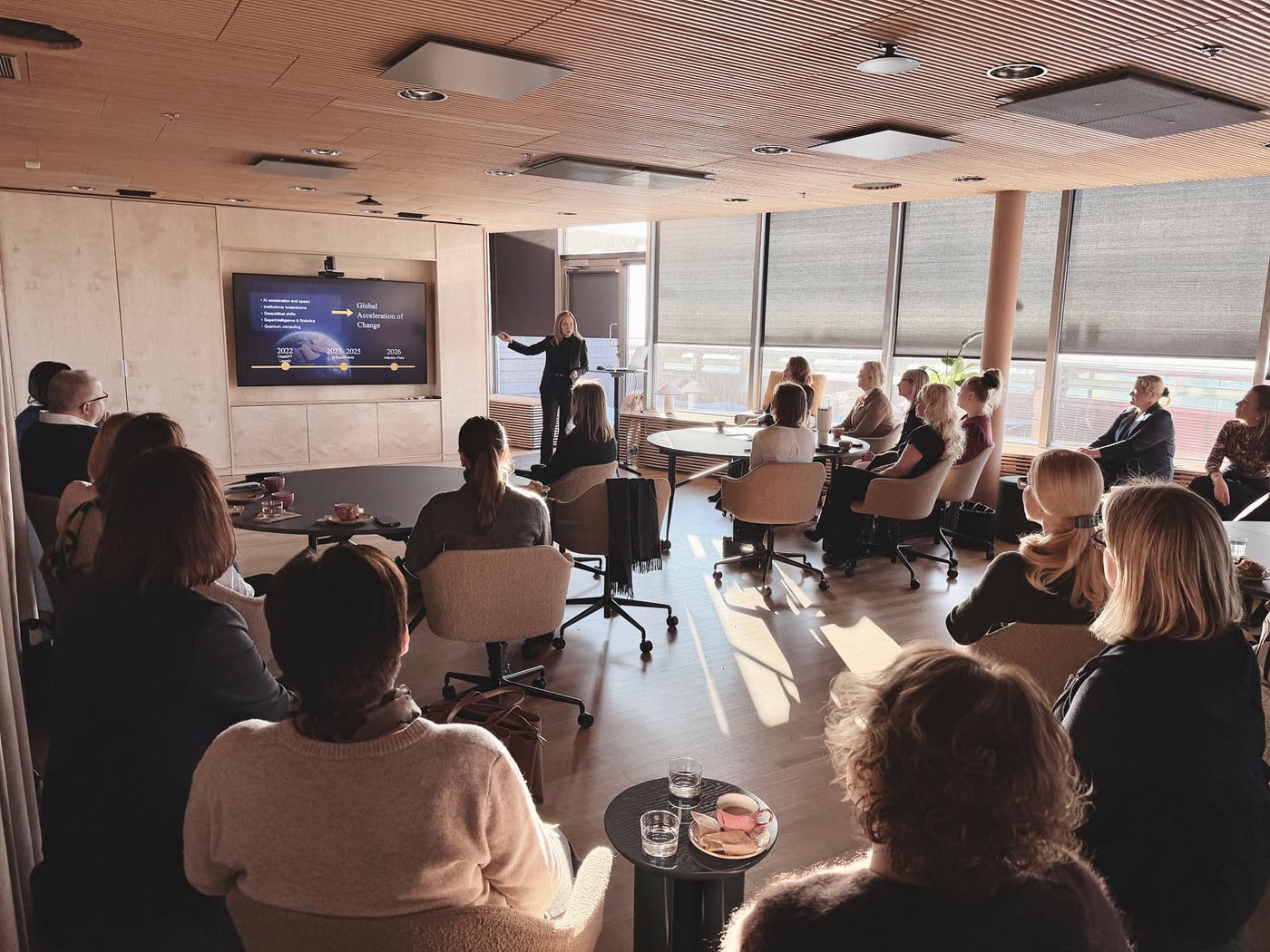
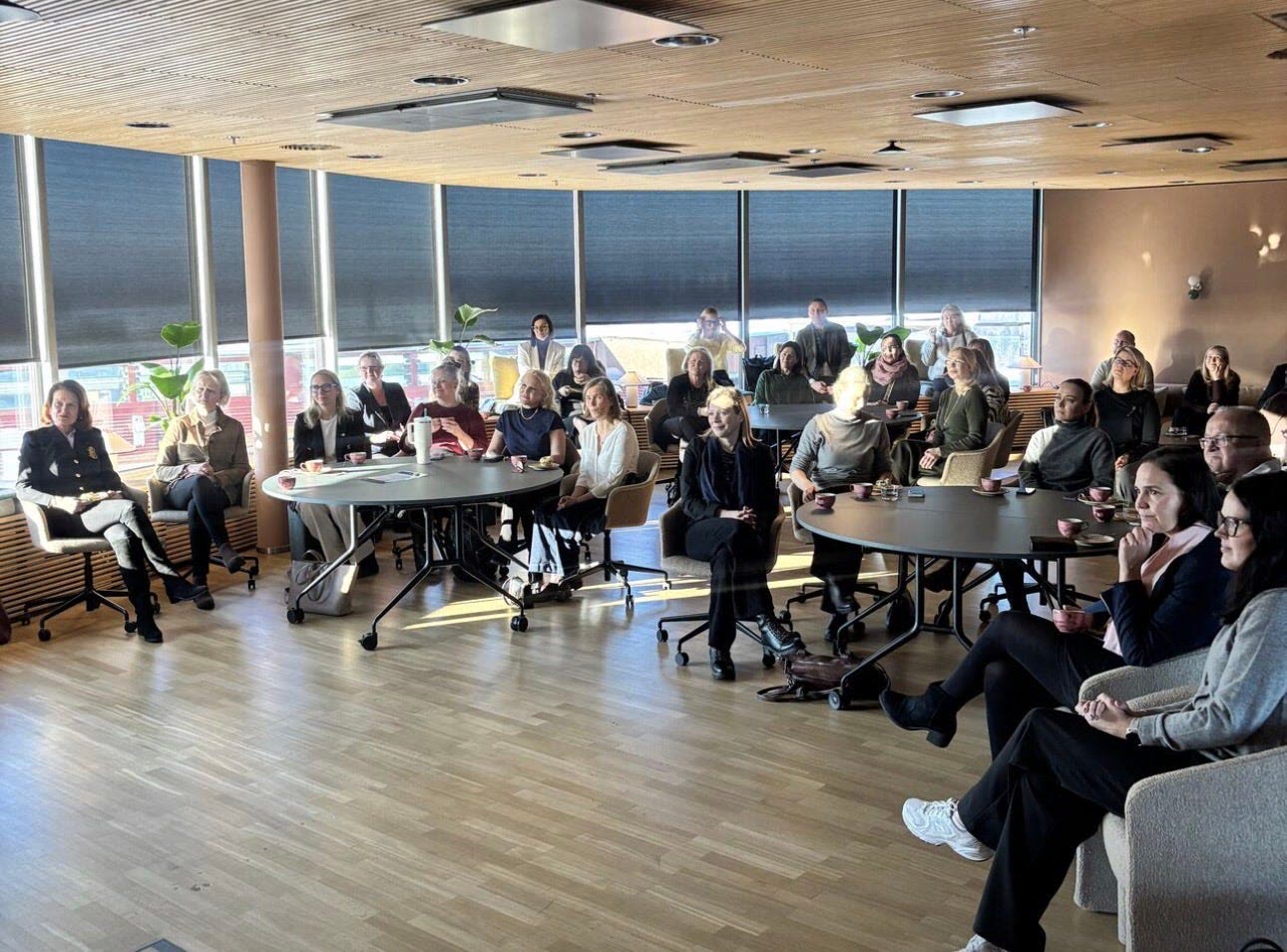
Two Workforce Futures Colliding
Global workforce conversations are evolving rapidly. Leaders are navigating two powerful realities at the same time.
The first is the productivity-driven narrative. In this world, AI is framed as a multiplier. Leaders describe rising productivity gains and the potential for large-scale economic value creation. The tone is forward-looking and centered on the reinvention of workflows.
The second is the concern-driven narrative. In this world, leaders and workers are reflecting on workforce displacement and how our systems can support the fast-moving pace of AI change. Concerns are strongest around entry-level roles, where tasks that once served as training grounds are now being automated. The concerns also touch on the ability of individuals to build a career pathway in a labor market that is changing faster than education and workforce systems can adapt.
The gap between public perception and technical reality is widening as AI moves beyond productivity gains into cognitive work once carried out by teams. As systems begin contributing to their own next generation, progress may accelerate faster than institutions can absorb. This is a defining moment: governance and workforce readiness must evolve alongside innovation.
These two worlds are now colliding inside the same organizations.
This is where Nordic leadership becomes especially relevant. It is often described through values such as transparency and respect for people. At this moment, those traits represent a distinctive strength held by many Finnish leaders. Values-driven leadership and people-centered systems matter more than ever before in a world moving toward human-plus-digital workforces.
Leading Organizations in the Agent Era
As we navigate how to build new foundations, we are also seeing a fundamental shift in our workforce architecture.
AI agents are already entering workflows in ways that resemble digital employees. They can perform tasks and operate across systems, changing both the what and the how of work. Hybrid no longer refers only to location; it increasingly reflects workforce composition.
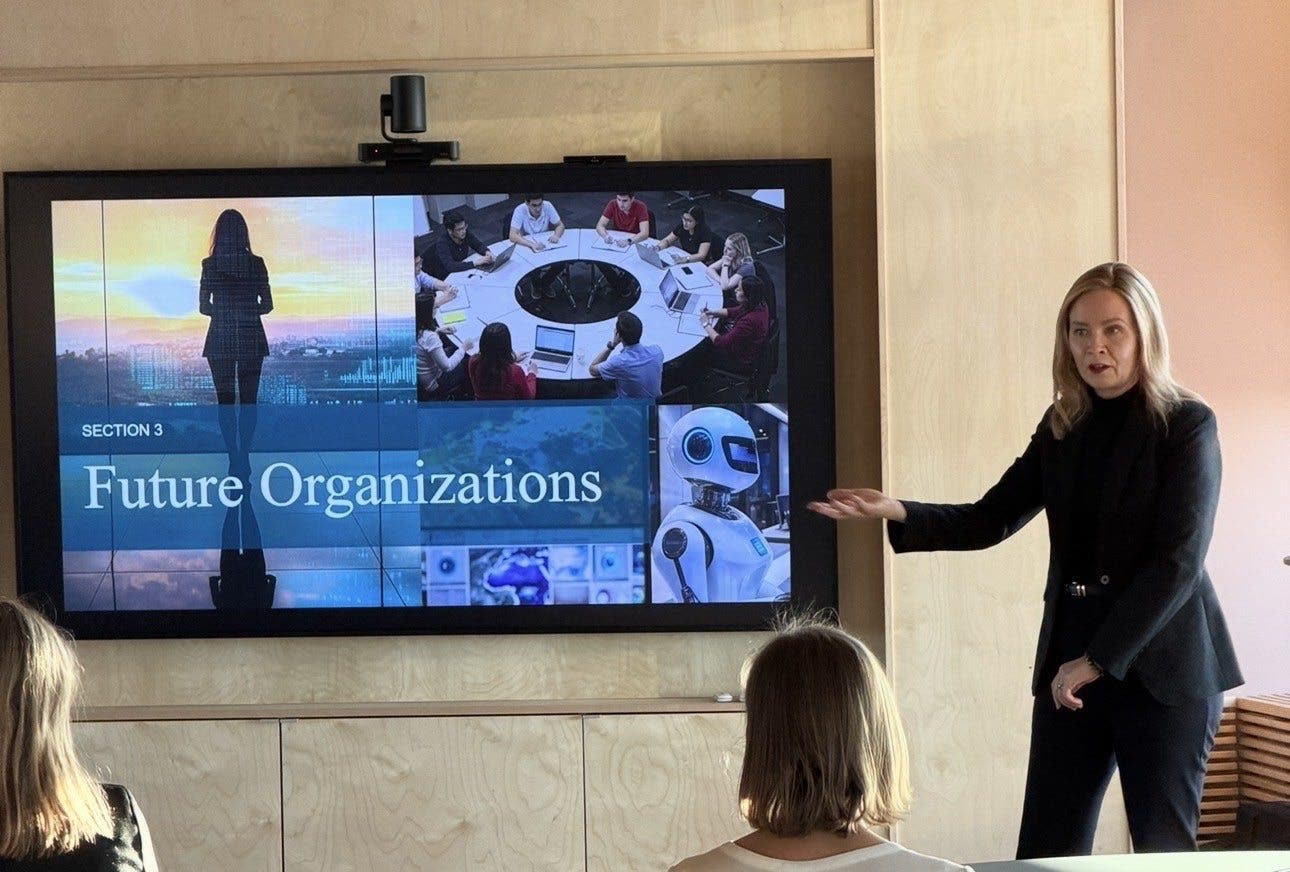
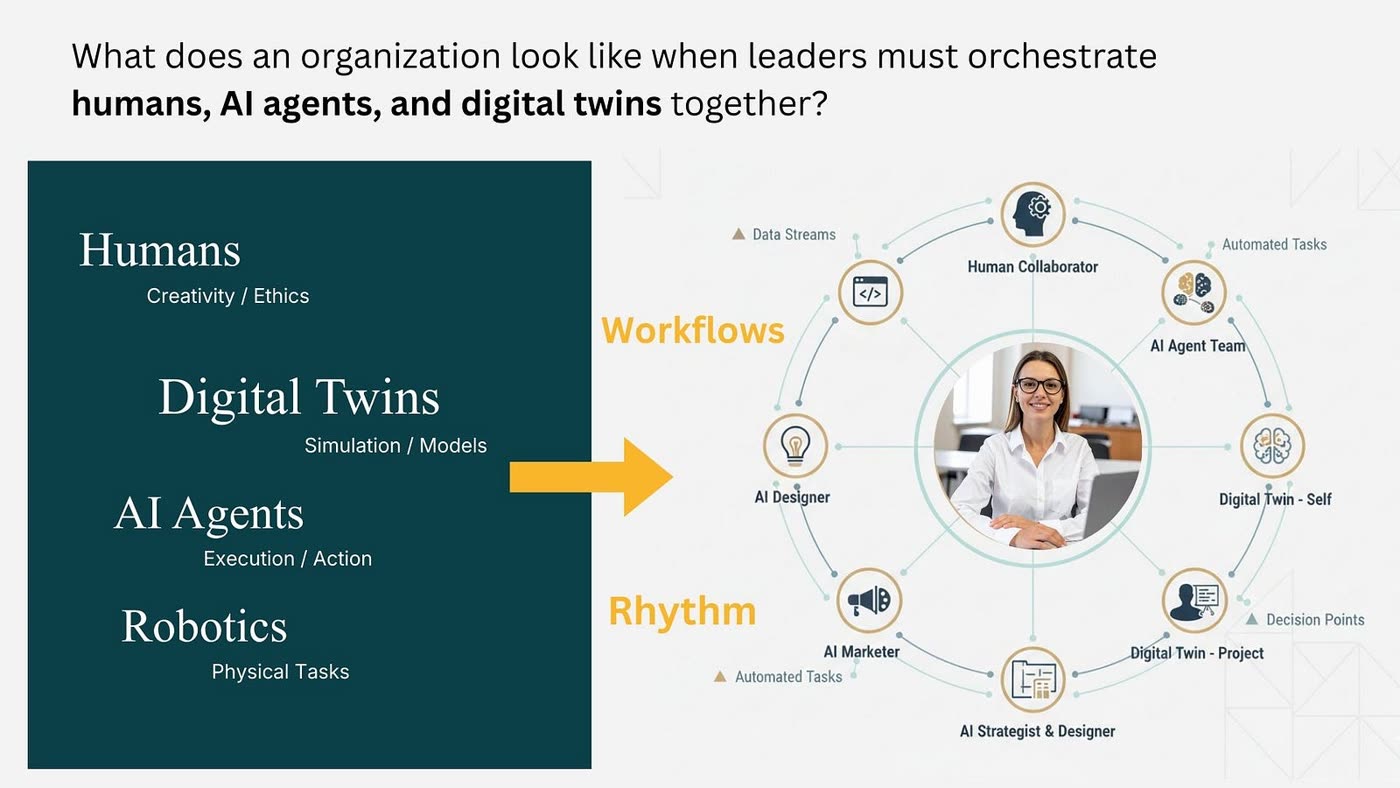
Leadership is shifting toward orchestrating how work flows across people and technology. This involves designing rhythm, defining handoffs, and establishing accountability across human and digital contributors. It also means making deliberate decisions about which work remains human-led, which can be delegated to agents.
We are the last generation to lead and manage only humans.
The evolution of management reflects a broader transition in leadership. In the industrial era, leadership focused on supervision and compliance: “do it right.” In the knowledge era, it centered on managing objectives and KPIs: “get it done.” In the agent era, leadership is increasingly becoming orchestration: “make it flow,” ensuring that work across humans, systems, and agents is coordinated and accountable.
This raises an important question: What does an organization look like when leaders must orchestrate humans, AI agents, and digital employees together?
HR as Workforce Architect in the New Era
The most direct leadership opportunity for HR is this: If AI agents become part of the workforce, who manages them?
Many technology teams will say HR needs to have a central role, connecting departments and shaping the future workforce architecture, taking a strategic role in developing and supporting the future workforce.
As we enter this new era of workforce intelligence, HR is becoming a central function in recognizing what is actually changing. AI agents influence performance, culture, risk, and daily workflow design. What may initially appear as technical questions quickly become matters of governance and organizational design. At the same time, this shift presents an opportunity to strengthen the foundations of the organization, placing people and culture at the center of how transformation is led.
In this new era, HR’s role expands into workforce architecture, shaping how organizations balance human capability with digital support. This includes anticipating future skill needs. It also requires early recognition of capability gaps and thoughtful guidance as roles evolve alongside changing work. For this significant workforce transformation to succeed, psychological safety and communication become more important than ever.
Key Takeaways for HR Leaders
- AI is moving from experimentation to integration.
- Trust is now central to leadership in the age of AI.
- Organizations are redesigning how people and technology work together.
- HR’s role is evolving into a more strategic role in shaping the future workforce.
Closing Reflection
We are living through a remarkable inflection point in history and a defining leadership moment. Organizational success has shifted from adopting tools the fastest to having the ability to adapt and design entirely new systems while continuing to invest in people as AI reshapes work. This is where, as leaders, we have an incredible opportunity and responsibility to ensure that we shape the direction of this technological transformation in the coming years, rather than allowing it to shape us.
Acknowledgment
The event was hosted by Equita Talent Partners under the leadership of Nea Seppäläinen-Ahlbom, with speakers Tarja Stephens, Intiqe & Leaders of the Future, and Taru Salo, Siili.
Related: Read the case study